
When Does a Personal Loan's Rate Actually Beat Card APR?
Listen to this article
Play the narrated version or enjoy the podcast conversation.
When Does a Personal Loan's Rate Actually Beat Card APR?
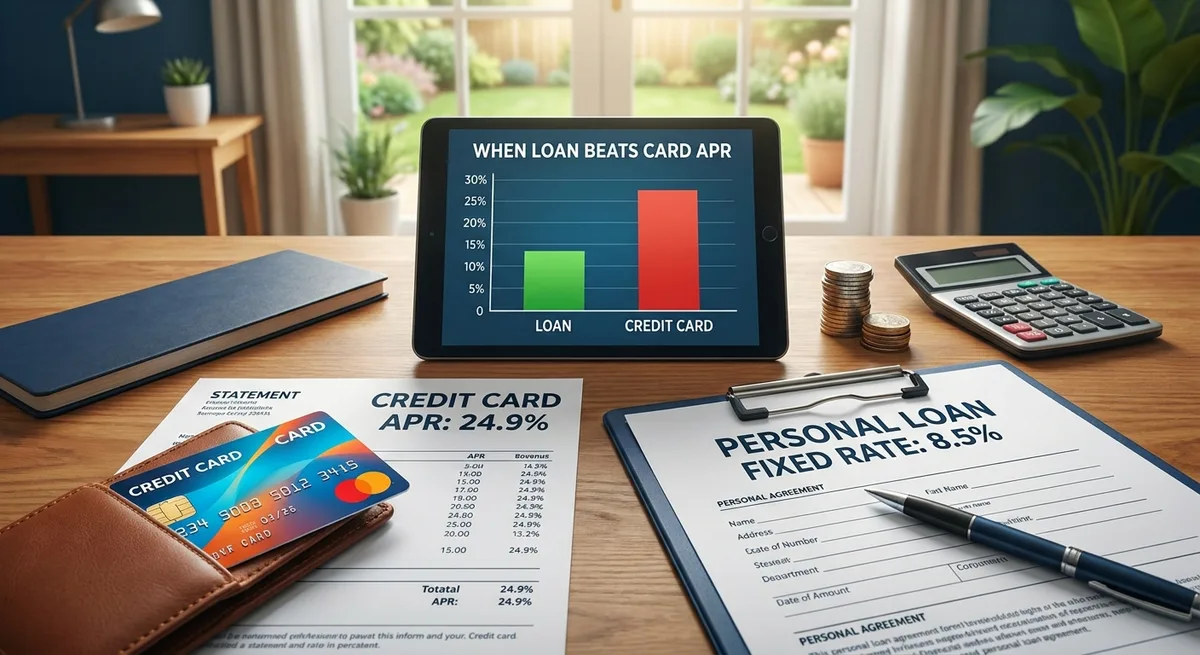
Navigating the world of personal finance can sometimes feel like solving a complex puzzle. Among the many questions that arise, one of the most common is about managing debt, especially when facing high-interest credit card balances. You might have heard that a personal loan could offer a path to lower interest payments, but when exactly does a personal loan's rate actually beat your credit card's Annual Percentage Rate (APR)? Let's break it down to understand how personal loan interest rate vs credit card rates compare.
Understanding the Basics: Credit Card APR vs. Personal Loan Rates
Before we dive into when one beats the other, it's essential to understand what each entails:
- Credit Card APR: This is the yearly rate of interest charged on your outstanding balance. Credit card APRs are often variable, meaning they can change based on the prime rate, and typically range from 15% to 25% or even higher, especially for store cards or those for individuals with lower credit scores.
- Personal Loan Interest Rate: Personal loans typically come with a fixed interest rate, meaning it stays the same throughout the life of the loan. These rates can vary widely, from around 6% for those with excellent credit to over 30% for those with challenged credit.
The key here is the "fixed" versus "variable" nature, and the often significant difference in the baseline rates, which is crucial in determining when personal loan beats credit card APR.
Key Scenarios Where a Personal Loan Can Offer a Better Rate
A personal loan for credit card debt can be a strategic move in several situations, potentially making it cheaper than your current credit card interest:
1. When Your Personal Loan APR is Significantly Lower Than Your Credit Card APR
This is the most straightforward scenario. If you have a credit card balance accruing interest at, say, 20% APR, and you qualify for a personal loan at 10% APR, you could potentially save a substantial amount on interest over time. This is particularly effective for large balances where the interest compounds quickly. Comparing your personal loan APR to your credit card APR is the first and most vital step to determine if a personal loan is cheaper than a credit card.
2. Consolidating High-Interest Credit Card Debt
If you're juggling multiple credit cards, each with a high balance and different, often high, interest rates, a personal loan for debt consolidation can be a game-changer. By taking out a single personal loan, you pay off all your credit card balances, leaving you with just one monthly payment at a potentially much lower, fixed interest rate. This simplifies your finances and can significantly reduce the total interest paid, making the personal loan cheaper than multiple credit card balances. This strategy focuses on reducing your overall debt consolidation personal loan interest.
3. Seeking a Predictable Repayment Schedule
Unlike credit cards, which offer flexible minimum payments that can keep you in debt for years, personal loans come with a fixed repayment schedule. You'll have a set monthly payment and a clear end date for your loan. This predictability can be incredibly valuable for budgeting and ensuring you pay down your debt efficiently, thereby saving money on interest in the long run. The fixed personal loan interest rate vs credit card variable rates provides stability and clarity for your financial planning.
4. Improving Your Credit Utilization Ratio
Paying off high credit card balances with a personal loan can immediately improve your credit utilization ratio (the amount of credit you're using compared to your total available credit). A lower utilization ratio is generally good for your credit score, as it signals to lenders that you're not over-reliant on credit. This indirectly helps you in the future by potentially qualifying for even better rates, demonstrating how personal loan saves money credit card in the long term.
How to Determine if a Personal Loan Beats Your Card APR
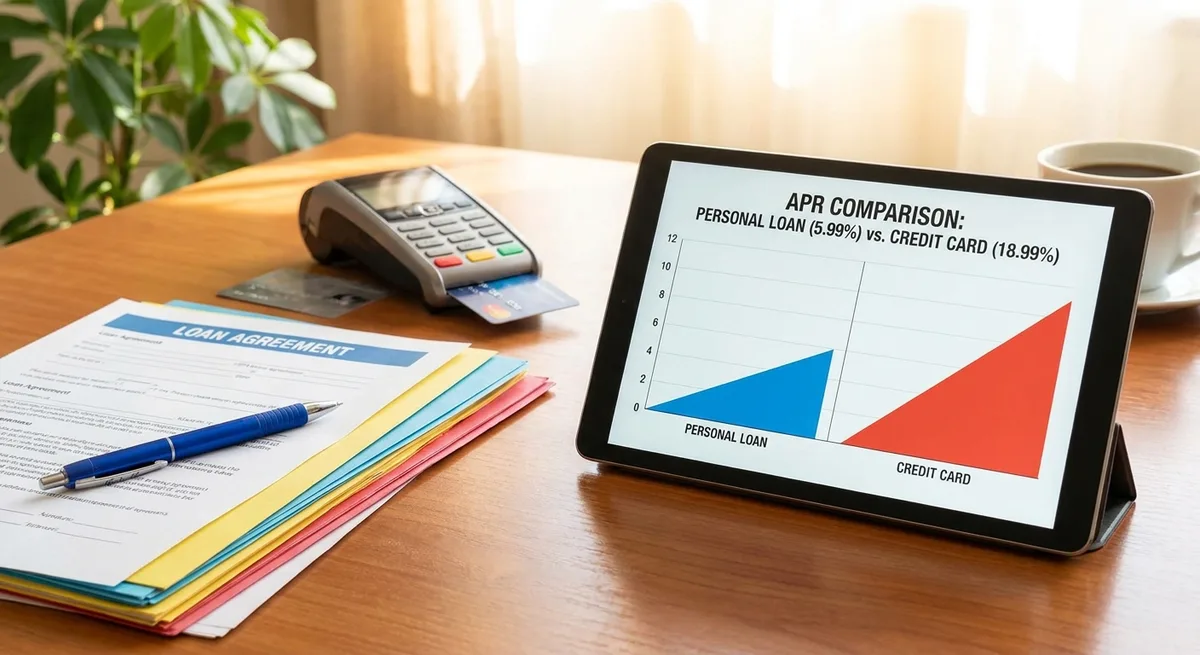
Ready to compare personal loan APR credit card options? Here’s a step-by-step approach to see if a lower interest personal loan credit card strategy is right for you:
- Gather Your Credit Card Information: List all your credit card balances, their current APRs, and your minimum monthly payments. Calculate your total outstanding balance and the estimated interest you're paying annually.
- Check Your Credit Score: Your credit score will significantly impact the personal loan interest rate you qualify for. A higher score typically means lower rates, improving your chances of securing a favorable personal loan vs credit card interest comparison.
- Get Pre-qualified for a Personal Loan: Many lenders offer pre-qualification, which allows you to see potential interest rates and terms without a hard inquiry on your credit report. This gives you a realistic idea of what personal loan vs credit card rates you could get.
- Compare the Numbers: Use a debt consolidation calculator or a simple spreadsheet to compare the total cost of repaying your credit cards with their current APRs versus the total cost of a personal loan (including any origination fees). Factor in the loan term – a longer term might mean lower monthly payments but more interest paid overall.
- Assess Fees: Some personal loans come with an origination fee, which is a percentage of the loan amount deducted from your payout. Be sure to factor this into your total cost comparison when considering how personal loan saves money credit card.
- Consider Your Discipline: If you use a personal loan to pay off credit card debt, make sure you don't accumulate new credit card debt. The goal is to eliminate high-interest debt, not replace it.
Conclusion: Making an Informed Choice
When does a personal loan beat a credit card APR? Often, when you have significant, high-interest credit card debt and can qualify for a personal loan with a substantially lower, fixed interest rate. A personal loan can be a powerful tool for debt consolidation and achieving financial predictability, ultimately helping you save money and accelerate your debt repayment journey.
However, it's not a one-size-fits-all solution. Careful comparison of interest rates, fees, and repayment terms is crucial to determine if a personal loan is cheaper than a credit card for your specific situation. By doing your homework, you can make an informed decision that moves you closer to financial freedom.
Ready to learn more about managing your finances effectively? Subscribe to our newsletter for expert insights and tips!