
What Happens to Your Score During the Settlement Process?
Listen to this article
Play the narrated version or enjoy the podcast conversation.
What Happens to Your Score During the Settlement Process?
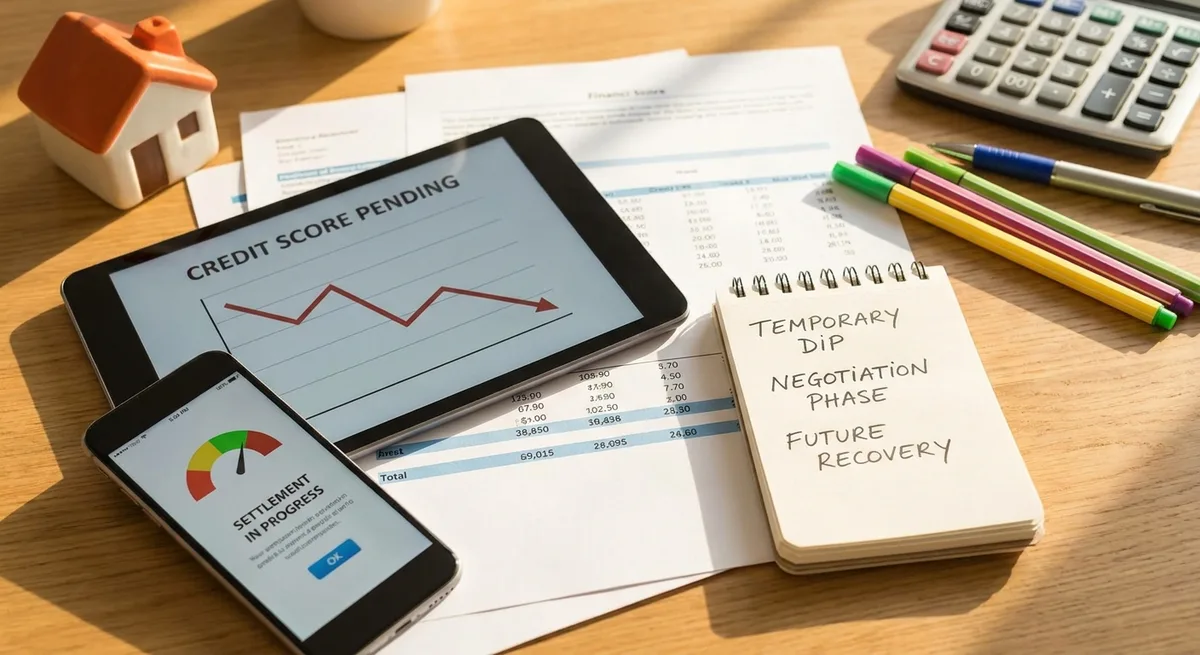
Facing overwhelming debt can be incredibly stressful, and finding a path to relief is often the top priority. Debt settlement, a process where you negotiate with creditors to pay back a portion of what you owe, can seem like a beacon of hope. But as you consider this option, a crucial question likely comes to mind: "What happens to your credit score during the settlement process?" It's a valid concern, as your credit score plays a significant role in your financial life.
At Lendellect, we believe in empowering you with clear, unbiased information. Let's delve into the realities of how debt settlement impacts your credit, both immediately and in the long run, and what you can do to rebuild your financial standing.
Understanding Debt Settlement
Debt settlement, sometimes called debt negotiation, involves reaching an agreement with your creditors to pay off a debt for less than the full amount owed. This is typically pursued when you're struggling to make minimum payments and are at risk of default or have already defaulted. While it offers a way out of debt, it's crucial to understand its implications, especially the debt settlement credit score impact on your credit history.
The Immediate Impact on Your Credit Score
Does debt settlement hurt credit? The short answer is yes, significantly. The process itself often requires you to stop making payments, which triggers a series of negative events on your credit report.
Before Settlement: Negative Marks Accumulate
Before you even reach a settlement agreement, the steps leading up to it can damage your credit. Missing payments or making late payments will be reported to the credit bureaus, leading to a drop in your score. These "delinquencies" signal to lenders that you are a higher risk.
During Settlement: More Negative Marks
To build up funds for a lump-sum settlement offer, many debt settlement programs advise you to stop paying your creditors. While this allows you to save, your accounts will continue to accrue late payment marks, eventually leading to "charge-off" status. A charge-off means the creditor has given up on collecting the debt, deeming it unlikely to be paid, and has written it off as a loss. This is one of the most severe negative marks on your credit report, representing credit score damage debt settlement can inflict.
The 'Settled' Mark
Once an agreement is reached and you pay the reduced amount, your credit report will reflect the account as "settled for less than the full amount" or "paid settled." While this is better than an unpaid charge-off, it's still viewed negatively by future lenders because it indicates you did not fulfill the original loan agreement. This mark is a direct settling debt impact on credit score.
Long-Term Effects and Recovery
How Long Does It Last?
The negative effects of debt settlement on credit, including late payments, charge-offs, and the "settled" status, typically remain on your credit report for up to seven years from the date of the original delinquency or the date the account was charged off. This answers "how long debt settlement affects credit." However, the impact lessens over time, and newer, positive information will start to outweigh the old.
Rebuilding Your Credit After Settlement
The good news is that your credit score after debt settlement is not permanently ruined. You can absolutely begin improving credit after debt settlement. Here’s how:
- Pay Everything On Time: Consistency is key. Make all future payments for any remaining debts (utilities, rent, new loans) on time, every time.
- Monitor Your Credit: Regularly check your credit report for errors. You can get free copies from AnnualCreditReport.com.
- Consider a Secured Credit Card: These cards require a deposit, acting as your credit limit, making them less risky for lenders and a great tool for rebuilding.
- Apply for a Credit-Builder Loan: Offered by some credit unions, these loans help you build payment history by saving funds in a locked account.
- Keep Credit Utilization Low: Once you have credit, try to use less than 30% of your available credit limit.
Is Debt Settlement Right for You?
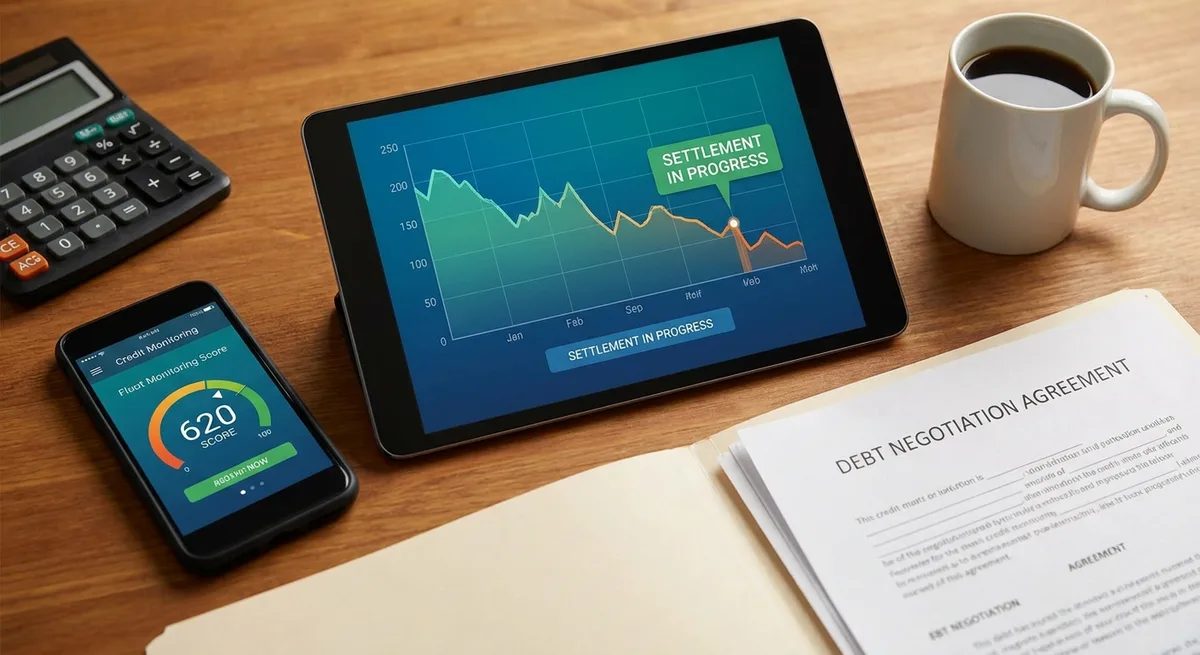
While debt settlement can provide relief from overwhelming debt, its significant impact means it's not a decision to take lightly. Consider it primarily if you have a substantial amount of unsecured debt, are severely delinquent or nearing default, and other options like a debt management plan or debt consolidation are not viable. Always seek advice from a certified credit counselor or financial advisor to understand all your options and their potential consequences before proceeding.
Conclusion
In conclusion, debt settlement can offer a powerful solution to escape crushing debt, but it comes with a definite trade-off: a negative impact on your credit score. The process involves significant debt settlement credit report effects, from late payments and charge-offs to the "settled for less" notation, all of which remain on your report for several years. However, this is not a life sentence for your financial health. By understanding these effects and committing to diligent credit rebuilding strategies, you can steadily improve your credit score and regain financial stability. Always weigh the pros and cons carefully and consult with financial professionals to make the best decision for your unique situation.
For more expert financial advice and insights to navigate your money journey, subscribe to Lendellect today!
References & Sources
How Debt Settlement Affects Your Credit Score
Debt settlement: The pros and cons and how it impacts your credit