
How Does a Nonprofit Debt Management Plan Work?
Listen to this article
Play the narrated version or enjoy the podcast conversation.
How Does a Nonprofit Debt Management Plan Work?
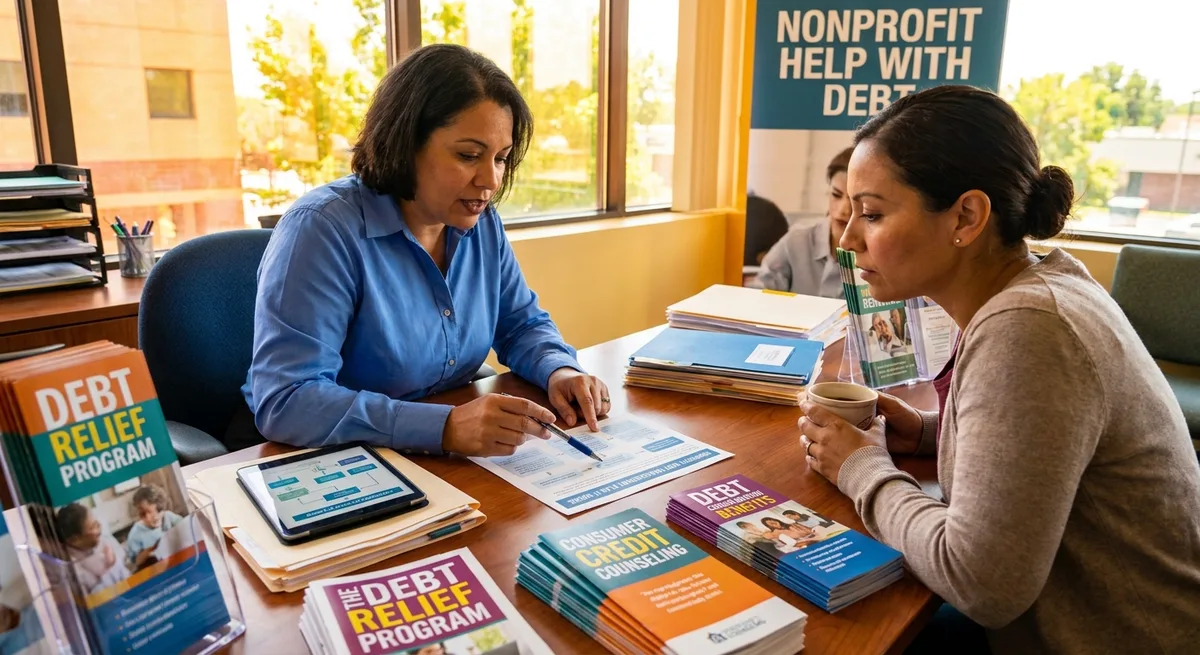
Maria used to dread opening her mail. Each envelope seemed to bring another credit card statement, each with a different due date, a different minimum payment, and an interest rate that felt like it was designed to keep her trapped. She’d tried everything – cutting expenses, taking on extra shifts – but her debt pile just wasn't shrinking. Sound familiar? Many of us, just like Maria, can find ourselves feeling overwhelmed by consumer debt. The good news is, there’s a compassionate, structured path forward: the nonprofit debt management plan (DMP).
Finding a Guiding Hand: The Role of Nonprofit Credit Counseling
One evening, feeling particularly defeated, Maria stumbled upon information about consumer credit counseling debt services. She learned that legitimate agencies, often nonprofit organizations, offer free initial consultations to help people in situations just like hers. These organizations specialize in providing nonprofit help with debt, guiding individuals towards financial stability without pushing loans or bankruptcy.
What is a Nonprofit Debt Management Plan (DMP)?
After her initial, no-cost consultation, Maria understood what a nonprofit debt management plan (DMP) truly is. It's not a loan, and it's not a magic bullet. Instead, a DMP is a structured program designed to help you pay off unsecured debt (like credit cards, medical bills, and personal loans) by consolidating your payments and often lowering your interest rates. This is a key part of how nonprofit DMP works, distinguishing it from quick-fix debt consolidation loans that often just transfer debt.
The Core Mechanism: One Payment, Better Terms
A certified credit counselor will work with you to analyze your financial situation, create a realistic budget, and then contact your creditors on your behalf. Their goal? To negotiate concessions like reduced interest rates, waived late fees, and stopping collection calls. Instead of multiple payments to various creditors, you make one affordable monthly payment to the credit counseling agency, which then distributes the funds to your creditors. This simplifies your finances immensely and helps you see real progress.
The Journey Through a Debt Management Program Explained
Maria’s counselor outlined the typical journey of a debt management program explained:
- Initial Consultation & Budgeting: The first step is always a free, confidential session where a counselor reviews your income, expenses, and debts. They help you build a sustainable budget.
- Crafting Your DMP Proposal: Based on your budget, the counselor proposes a payment plan to your creditors. They will advocate for favorable terms on your behalf.
- Creditor Agreement: Most major creditors are familiar with DMPs and often agree to the terms, as it provides a consistent payment stream they might otherwise not receive.
- Making Consolidated Payments: Once approved, you begin making a single, manageable monthly payment to the credit counseling agency.
- Debt Repayment: You continue making these payments consistently, typically over 3 to 5 years, until your enrolled debts are paid in full.
This structured approach makes the entire process of how nonprofit debt management plan works much less daunting than tackling debt alone.
The Real Benefits of a Nonprofit Debt Management Plan
Maria quickly started to experience the advantages, realizing the significant debt management plan benefits:
- Lower Interest Rates: This is often the biggest win, as reduced interest means more of your payment goes towards the principal, accelerating your debt payoff.
- Elimination of Fees: Late fees and over-limit fees are typically waived once you're on a DMP.
- Simplified Payments: One payment to one agency instead of juggling multiple bills is a huge stress reliever.
- Improved Financial Habits: Working with a counselor and sticking to a budget helps you develop better money management skills.
- Avoidance of Bankruptcy: For many, a DMP offers a viable alternative to filing for bankruptcy, preserving their credit standing to a greater degree.
- End to Collection Calls: Once enrolled and payments are being made, creditors typically cease collection efforts directly to you.
A nonprofit debt relief program like this can truly transform your financial outlook.
Is a DMP Right for You? Key Considerations
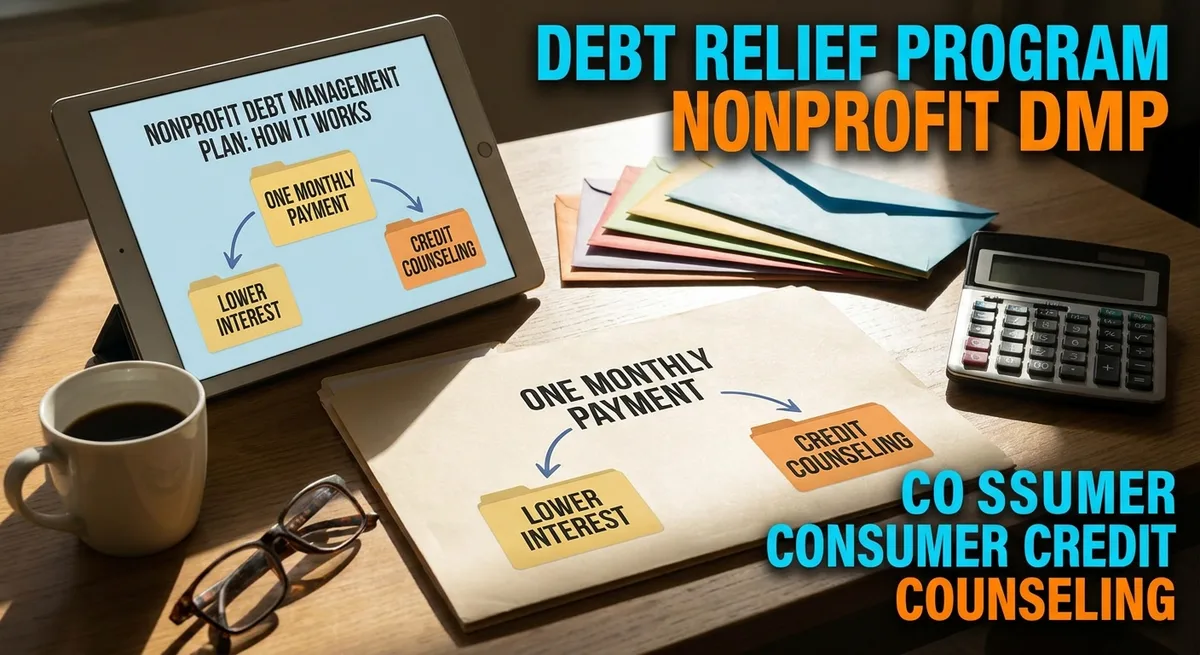
While a DMP offers many advantages, it's essential to understand that it requires commitment. Your enrolled accounts will typically be closed, and it's not a quick fix; it takes time and discipline. However, for individuals like Maria, who are serious about getting out of debt and are looking for a clear, supportive path, a nonprofit debt management plan can be an invaluable tool. It’s a powerful form of nonprofit debt consolidation that helps you regain control without taking on new loans.
Maria, after years of struggle, successfully completed her DMP. She not only paid off her debts but also gained invaluable financial literacy and peace of mind. If you’re feeling buried under debt, remember that you don't have to face it alone. Exploring what is a nonprofit DMP with a reputable consumer credit counseling agency could be your first step towards financial freedom. Take the initiative, just like Maria did, and discover how a structured plan can pave the way to a brighter financial future.
Ready to learn more and take control of your finances? Subscribe to our newsletter for more financial tips and guidance!
References & Sources
National Foundation for Credit Counseling (NFCC) - Debt Management Plans
Consumer Financial Protection Bureau (CFPB) - Debt Management Plans