
What's the Real Split Between Revolvers and Transactors?
Listen to this article
Play the narrated version or enjoy the podcast conversation.
What's the Real Split Between Revolvers and Transactors?
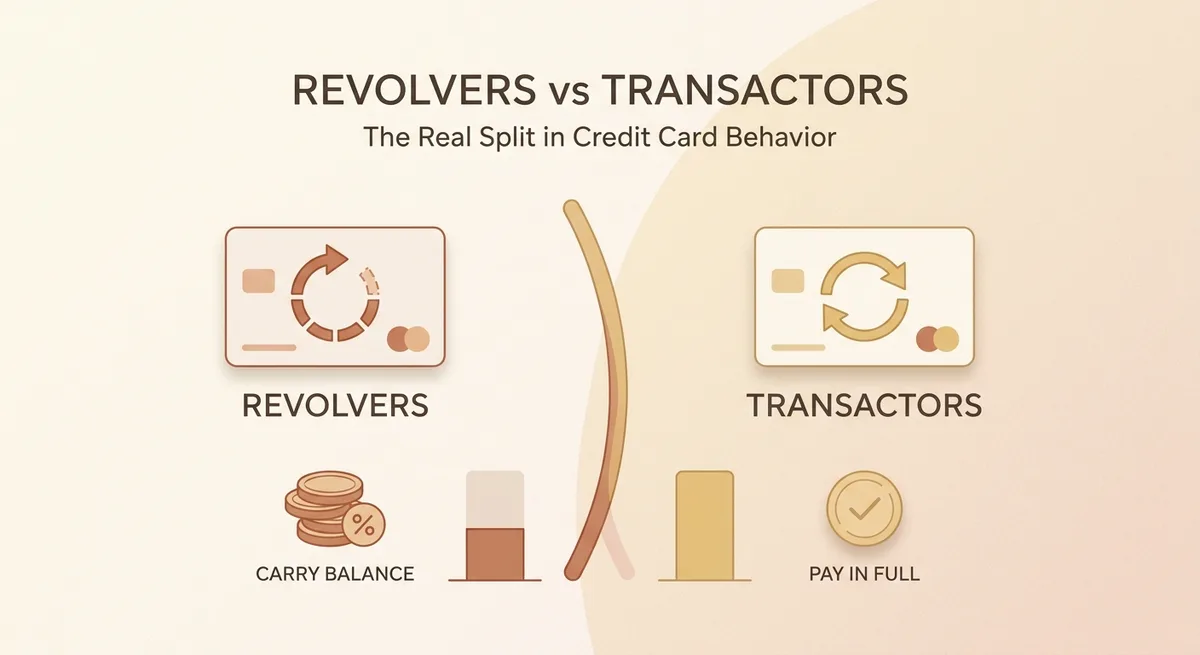
In the vast world of personal finance, credit cards are a ubiquitous tool, offering convenience, rewards, and a bridge for unexpected expenses. But how people use these cards varies dramatically, leading to two fundamental categories of users: Revolvers and Transactors. Understanding which group you fall into, and more importantly, the broader financial landscape these groups create, is crucial for both individual financial health and the overall economy.
You might think of yourself as someone who just "uses a credit card," but your specific habits place you firmly in one camp or the other. Are you diligently paying off your balance in full each month, or do you find yourself carrying a portion of your debt forward? This isn't just a matter of semantics; it defines your relationship with debt, interest, and ultimately, your financial future. In this article, we'll dive deep into the definitions, explore the actual prevalence of each group, and discuss the profound implications of these different credit card behaviors.
What Exactly Are Revolvers and Transactors?
Before we dissect the "split," let's ensure we have a crystal-clear understanding of what defines a revolver versus a transactor.
Understanding the Transactor
A Transactor is a credit card user who consistently pays off their entire credit card balance in full by the due date each month. For transactors, a credit card functions primarily as a convenient payment tool, a way to earn rewards, or a method to build a strong credit history without incurring any interest charges. They treat their credit card like a debit card with benefits, leveraging the grace period offered by issuers to effectively use the bank's money interest-free.
- Key Characteristics: Pays full balance, avoids interest, often maximizes rewards, maintains excellent credit.
- Financial Habits: Typically strong budgeters, disciplined spenders, or those with ample cash flow to cover their credit card purchases.
Understanding the Revolver
A Revolver, on the other hand, is a credit card user who carries a balance from one month to the next. They pay only a portion of their outstanding debt – often just the minimum payment – or sometimes more, but not the full amount. This behavior results in interest charges being applied to the remaining balance, which can quickly accumulate and significantly increase the total cost of their purchases.
- Key Characteristics: Carries a balance, incurs interest charges, often pays minimum amounts.
- Financial Habits: May struggle with budgeting, face unexpected expenses, or use credit to bridge income gaps.
The Elusive Split: Why It Matters and What We Know
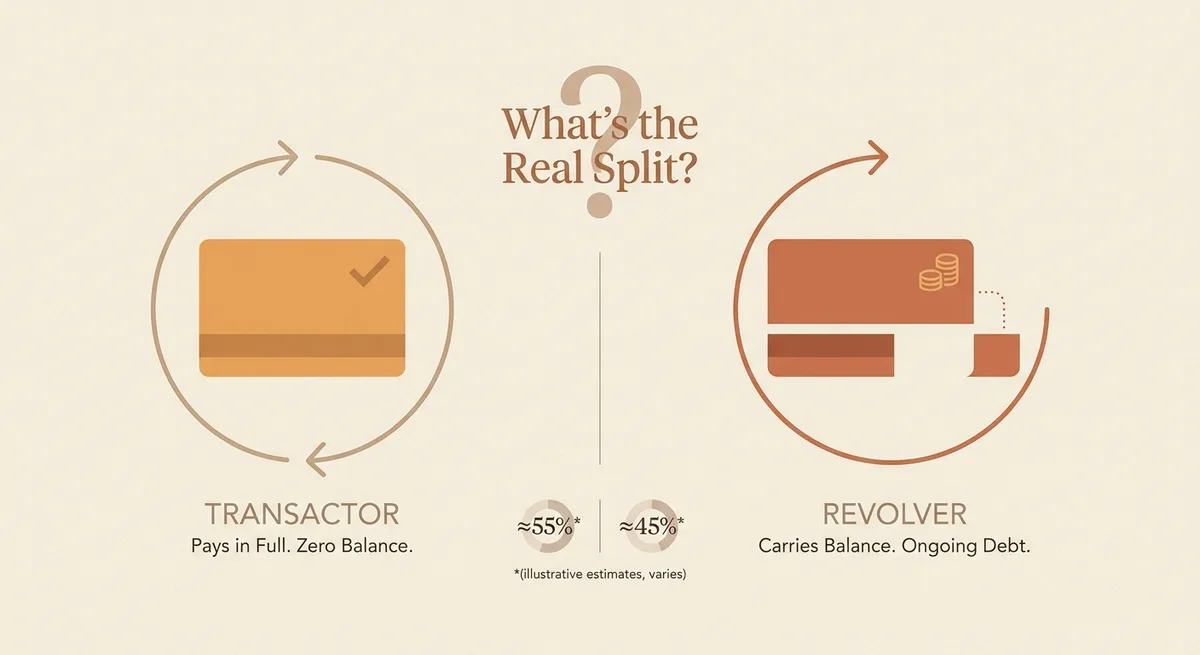
The "real split" between revolvers and transactors is a dynamic and often debated figure. It's not a static percentage but rather a fluid ratio influenced by economic conditions, consumer behavior, and even the marketing strategies of credit card companies. For financial institutions, understanding this split is paramount; revolvers are often more profitable due to interest income, while transactors represent lower risk and high-value customers who leverage rewards.
For consumers, knowing this split provides context for their own financial choices. Are you an outlier, or are your habits common? More importantly, it highlights the financial implications of carrying a balance versus paying in full.
Industry Insights: What the Data Tells Us
While precise, real-time figures fluctuate, various reports and studies consistently indicate that a significant portion of credit card users regularly carry a balance. For instance, recent surveys often show that anywhere from 40% to over 50% of credit cardholders carry some form of debt month-to-month. This percentage can shift based on economic stressors, inflation, and individual financial resilience.
- Federal Reserve Data: Reports on the economic well-being of U.S. households frequently show a substantial percentage of credit card users carrying a balance in the prior 12 months. This figure highlights the prevalence of revolving credit behavior across different income levels.
- Consumer Debt Surveys: Financial media outlets and credit reporting agencies often conduct surveys revealing similar trends, with many Americans using credit cards to manage everyday expenses or unforeseen costs, leading to recurring balances.
These insights underscore that while being a transactor is the financially savvy choice, carrying a balance is a widespread reality for millions, driven by a complex interplay of personal circumstances and economic forces.
The Dynamics Behind the Numbers
Why do so many people revolve, while others consistently transact? The reasons are multifaceted:
Economic Conditions
Broader economic factors play a huge role. During periods of high inflation, rising living costs, or economic uncertainty, more individuals may lean on credit cards to cover essential expenses, leading to an increase in revolvers. Conversely, a strong economy with job growth and stable incomes might enable more people to pay down their debts, shifting the balance towards transactors.
Individual Financial Literacy and Behavior
Understanding the true cost of interest, the power of compounding, and the importance of budgeting significantly impacts how people use credit cards. Those with strong financial literacy and disciplined spending habits are more likely to be transactors. A lack of emergency savings often pushes individuals into revolving debt when unexpected events occur.
Credit Card Features and Marketing
Some credit card features, like attractive introductory APRs, can initially entice users to carry a balance, only for the interest rates to revert to much higher levels later. Reward programs, while beneficial for transactors, can also encourage overspending among those who might struggle to pay in full, thus inadvertently increasing revolving balances.
The Impact of Your Credit Card Habits
Your classification as a revolver or transactor has direct, measurable consequences for your personal finances.
For Transactors: A Path to Financial Strength
Transacting credit card users enjoy significant advantages:
- No Interest Charges: This is the most immediate benefit, saving them potentially hundreds or thousands of dollars annually.
- Stronger Credit Score: Consistently paying in full demonstrates excellent financial responsibility, contributing to a high credit score and better terms on future loans.
- Maximizing Rewards: Transactors can fully capitalize on cash back, travel points, and other perks without their value being eroded by interest payments.
- Financial Flexibility: With no revolving debt, they have more disposable income and greater freedom to save, invest, or handle emergencies.
For Revolvers: The Burden of Debt
Carrying a balance, especially over long periods, can lead to:
- Accumulating Interest: Even a small balance can grow substantially with high APRs, making purchases far more expensive than their initial price tag.
- High Credit Utilization: Carrying a balance increases your credit utilization ratio (the amount of credit you're using compared to your total available credit), which is a major factor in your credit score and can negatively impact it.
- Increased Financial Stress: Managing revolving debt can be a source of significant anxiety and can hinder progress towards other financial goals.
- Minimum Payment Trap: Paying only the minimum can extend the repayment period for years, costing far more in interest than originally anticipated.
Navigating Your Credit Card Journey Wisely
Regardless of where you stand today, you have the power to shape your credit card future. Our goal at Lendellect is to empower you with the knowledge to make informed decisions.
Becoming a Transactor (or Staying One)
If you aspire to be a transactor or wish to maintain your current status, consider these strategies:
- Create a Detailed Budget: Know exactly where your money goes and how much you can comfortably spend.
- Build an Emergency Fund: A robust savings cushion can prevent you from relying on credit cards for unexpected expenses.
- Pay More Than the Minimum: Always aim to pay your full statement balance. If that's not possible, pay as much as you can to minimize interest.
- Use Credit Cards Strategically: Leverage rewards programs for purchases you would make anyway, and pay them off immediately.
- Monitor Your Spending: Regularly check your credit card activity to stay on top of your balances and prevent overspending.
If You're Currently Revolving
It's never too late to change your habits and work towards becoming a transactor:
- Prioritize High-Interest Debt: Focus on paying off cards with the highest APRs first (the "debt avalanche" method).
- Consider Balance Transfers: A 0% APR balance transfer card can give you a window to pay down debt without accruing new interest, but be mindful of transfer fees and the promotional period end date.
- Negotiate with Your Issuer: Sometimes, credit card companies are willing to lower your interest rate or offer a payment plan if you explain your situation.
- Seek Credit Counseling: Non-profit credit counseling agencies can provide personalized advice and debt management plans.
- Create a Debt Repayment Plan: Outline clear steps, amounts, and timelines for becoming debt-free.
Conclusion
The "real split" between revolvers and transactors is more than just a statistic; it's a reflection of personal financial choices, economic realities, and the powerful impact of credit card management. While a significant portion of consumers may find themselves revolving debt, the path to becoming a transactor is attainable and leads to substantial financial benefits.
By understanding your own habits and the broader context of credit card usage, you can make smarter decisions that foster financial health and freedom. Remember, your credit card should be a tool for empowerment, not a burden of debt.
Want more insights into mastering your finances? Subscribe to Lendellect for regular updates and expert advice!
References & Sources
Economic Well-Being of U.S. Households in 2023 - May 2024 Report