
What Is a Credit Card Grace Period?
Listen to this article
Play the narrated version or enjoy the podcast conversation.
What Is a Credit Card Grace Period?
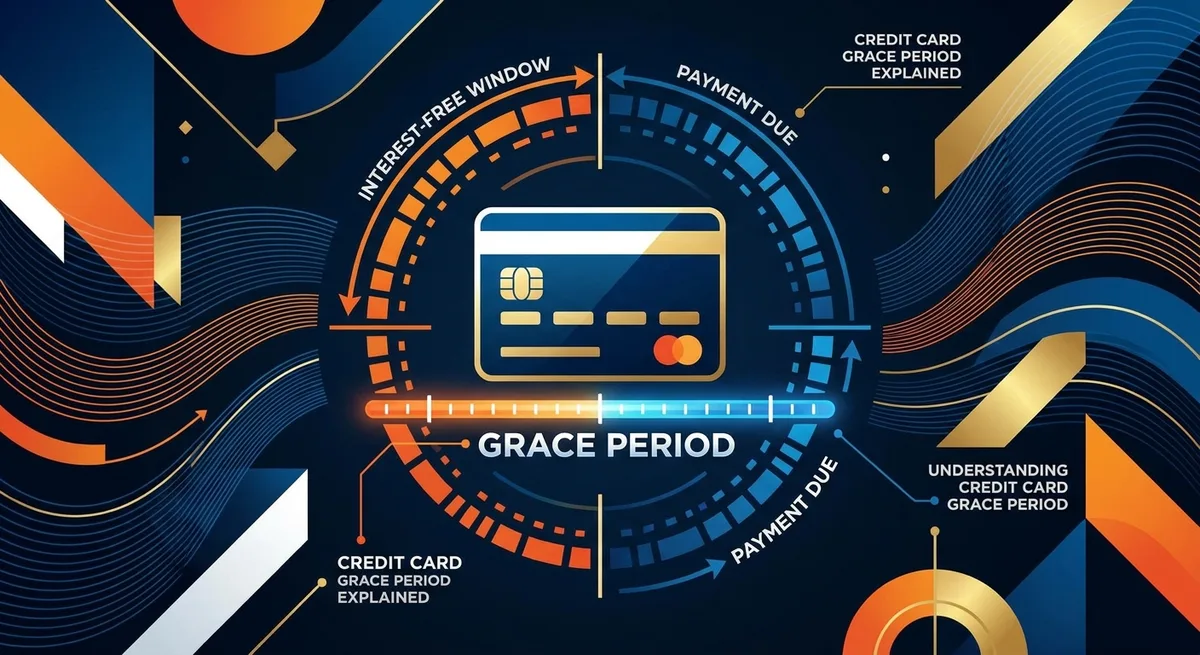
Navigating the world of credit cards can sometimes feel like deciphering a complex financial puzzle. Terms like "APR," "minimum payment," and "statement balance" are commonplace, but one term that holds significant power for smart financial management is often misunderstood: the credit card grace period. Understanding what a credit card grace period is and how to use it effectively can save you money, help you avoid interest charges, and ultimately strengthen your financial health.
At Lendellect, we believe in empowering our customers with clear, actionable financial knowledge. In this comprehensive guide, we'll demystify the credit card grace period, explaining its definition, how it works, and how you can leverage it to your advantage. If you've ever wondered how to use your credit card without paying interest, this article is for you.
Understanding the Basics: What Exactly is a Grace Period?
A credit card grace period is a specific timeframe, typically between 21 to 25 days, during which you can pay off your credit card balance for new purchases without incurring interest charges. Think of it as an interest-free loan period provided by your credit card issuer.
This period begins after your statement closing date and extends up to your payment due date. If you pay your full statement balance by the payment due date, you won't be charged interest on those new purchases. It's a fundamental feature designed to allow cardholders time to receive their bill and make a payment before interest begins to accrue.
Without a grace period, interest would start accumulating on your purchases from the moment they are posted to your account. The grace period on credit card accounts offers a valuable window to manage your spending and payments strategically, effectively giving you a "credit card no interest period" for new purchases.
How Does a Credit Card Grace Period Work?
To truly grasp the "how," let's break down the typical credit card billing cycle and how the grace period fits in:
- The Billing Cycle Begins: This is the first day after your previous statement's closing date. You start making new purchases.
- Statement Closing Date: At the end of your billing cycle (e.g., 30 days later), your credit card issuer generates your statement. This statement lists all your purchases, payments, and any fees incurred during that cycle, culminating in your "new statement balance."
- The Grace Period Starts: Immediately after your statement closing date, the grace period begins. This is the interest-free window for the purchases listed on your new statement.
- Payment Due Date: This is the last day of your grace period. It's typically 21-25 days after your statement closing date. To avoid interest on new purchases, you must pay your full statement balance by this date.
- Interest Accrues (If Not Paid in Full): If you do not pay your full statement balance by the payment due date, you will lose your grace period, and interest will be charged on the unpaid portion of your balance, often retroactively from the transaction date for those purchases.
This process highlights how credit card grace period works: it’s a direct function of your payment behavior relative to your billing cycle. Paying your full balance on time is the key to unlocking this powerful benefit.
Key Factors Influencing Your Grace Period
While the basic definition of a grace period is consistent, there are several nuances that dictate how it applies to your specific account.
New Purchases Only
It's crucial to understand that the grace period primarily applies to new purchases. It generally does not extend to:
- Cash Advances: These typically accrue interest immediately from the date of the transaction.
- Balance Transfers: Similar to cash advances, interest usually begins to accrue on balance transfers from day one, unless a specific promotional 0% APR period is active.
- Existing Balances: If you carry a balance from a previous month (i.e., you didn't pay your full statement balance last time), new purchases may not qualify for a grace period. In such cases, interest can start immediately on new purchases, even if you make a payment before the due date for the *current* statement.
This is a common misconception, and understanding this distinction is vital for avoiding unexpected interest charges.
Paying Your Full Statement Balance
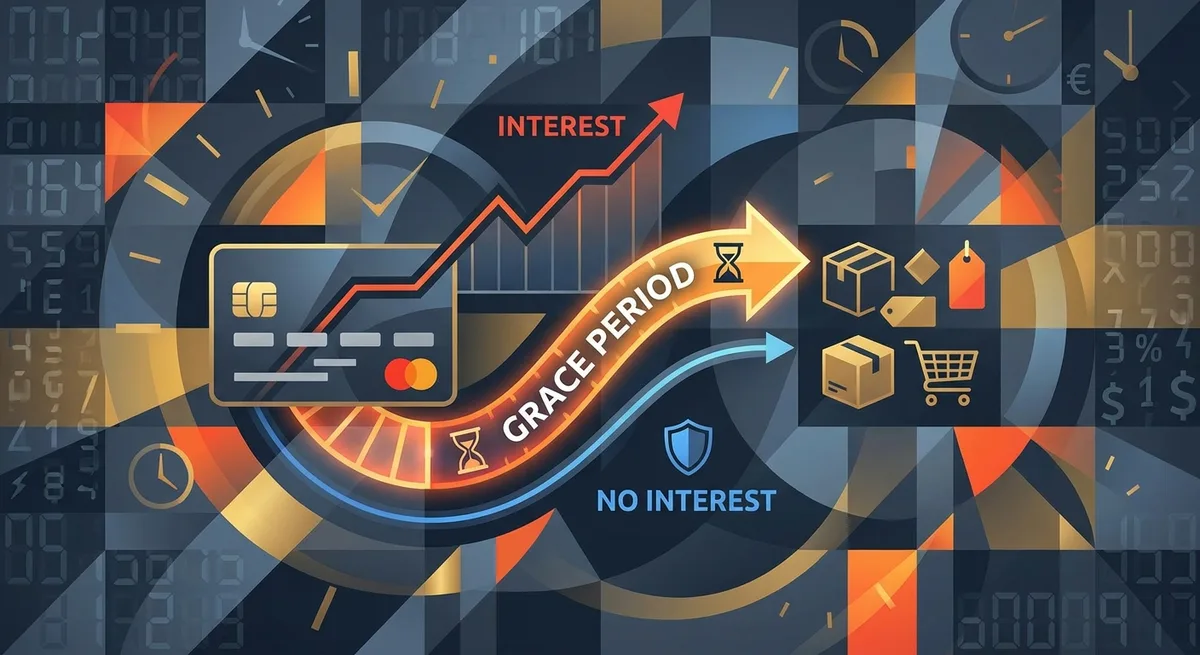
This cannot be emphasized enough: to benefit from the credit card grace period, you must pay your full statement balance by the due date. Paying only the minimum amount due will keep your account in good standing, but it will not prevent interest charges from applying to the remaining balance. Once you carry a balance, you generally lose your grace period until you pay off your entire outstanding balance in full, including any accrued interest.
Card Issuer Policies
While most credit cards are required by federal law (the CARD Act of 2009) to offer a grace period of at least 21 days for new purchases if a grace period is offered at all, the exact length can vary. Always refer to your cardholder agreement or contact your issuer to confirm your specific credit card grace period definition and terms. Some cards, particularly secured cards or cards for those with lower credit scores, may not offer a grace period at all, meaning interest begins immediately.
A Step-by-Step Guide to Maximizing Your Grace Period
Leveraging your grace period effectively is a cornerstone of smart credit card use. Here's how to ensure you always benefit from this "credit card no interest period":
- Always Pay Your Full Statement Balance: This is the golden rule. Make it your habit to pay the entire amount shown on your statement by the due date. This avoids all interest on new purchases and ensures you retain your grace period for future cycles.
- Understand Your Statement Closing Date and Payment Due Date: Familiarize yourself with these two critical dates. Your statement closing date marks the end of a billing cycle, and your payment due date marks the end of your grace period. Knowing these helps you plan your payments.
- Set Up Payment Reminders or Auto-Pay: Life gets busy. Setting up automated payments for your full statement balance or multiple reminders can prevent you from missing a payment and losing your grace period.
- Avoid Cash Advances and Balance Transfers (Unless for 0% APR Promotion): If your primary goal is to avoid interest through the grace period, steer clear of cash advances and non-promotional balance transfers, as they typically don't qualify.
- Review Your Statements Regularly: Periodically check your credit card statements to ensure accuracy, understand your spending, and confirm your payment due dates.
The Benefits of a Grace Period
Understanding credit card grace period isn't just about avoiding charges; it's about unlocking significant financial advantages:
- Interest-Free Borrowing: The most obvious benefit is the ability to make purchases and pay for them later without paying any interest. This is effectively a short-term, interest-free loan.
- Improved Financial Management: A grace period allows you to align your spending with your income schedule. You can make purchases throughout the month, knowing you have time until your paycheck arrives to cover the full balance.
- Emergency Buffer: In a pinch, knowing you can use your card for an essential purchase and pay it off in a few weeks without extra cost can provide peace of mind, provided you have the funds to cover it by the due date.
Common Misconceptions About Grace Periods
Despite its importance, the grace period is often misunderstood. Here are a few common pitfalls:
- "I only need to pay the minimum due to avoid interest." This is false. Paying the minimum due only keeps your account current but will result in interest charges on the remaining balance. To avoid interest on new purchases, you must pay the full statement balance.
- "My grace period applies to everything." Also false. As discussed, cash advances and balance transfers typically do not have a grace period.
- "My grace period always resets." If you carry a balance from month to month, you generally lose your grace period until you pay off the *entire* balance (including any accrued interest) in full. Once you've paid everything off, new purchases made in subsequent billing cycles will again qualify for a grace period.
What Happens If You Lose Your Grace Period?
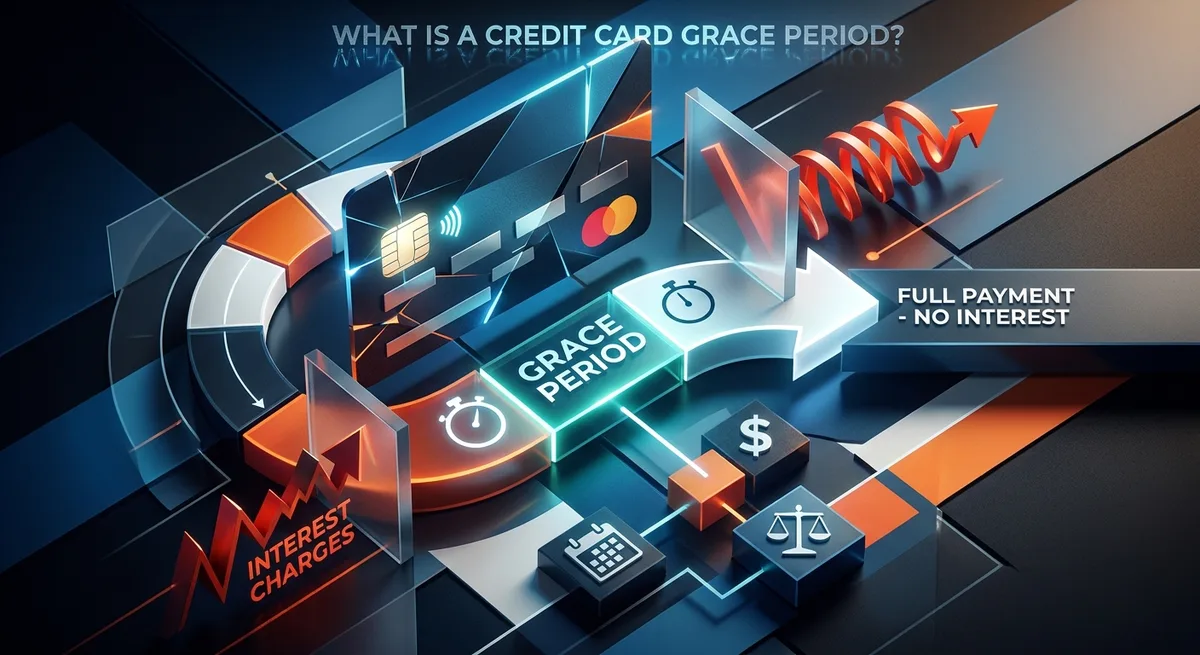
If you fail to pay your full statement balance by the due date, you will lose your grace period. This means that for subsequent purchases, interest will begin to accrue immediately from the transaction date, rather than waiting for the grace period to kick in after the statement closing date. You'll continue to pay interest on any outstanding balance, and new purchases will also immediately incur interest.
To regain your grace period, you must pay your entire outstanding balance – every penny, including any accrued interest – in full for at least one billing cycle. Once your account shows a zero balance on your statement, you typically re-establish the grace period for all new purchases made in the following billing cycle.
Grace Periods and New Credit Cards
When you get a new credit card, the grace period often applies from your very first transaction. However, it's particularly important to read the terms and conditions of your new cardholder agreement carefully. Some introductory offers, especially those with 0% APR on purchases, can affect how the grace period works, or if it's even relevant during the promotional period. Regardless, developing good payment habits from the start is key to leveraging this feature effectively.
The credit card grace period is a powerful financial tool that offers a period of "credit card no interest" for new purchases. By understanding its definition, how credit card grace period works, and the critical importance of paying your full statement balance by the due date, you can avoid unnecessary interest charges and use your credit card as a convenient payment tool without incurring debt. Empower yourself with this knowledge, and take control of your credit card finances today.
To learn more about optimizing your financial journey and gain access to exclusive insights, we invite you to subscribe to the Lendellect newsletter. Stay informed, stay empowered.
References & Sources
What is a credit card grace period? | Consumer Financial Protection Bureau