
What Fees Come With a Typical Balance Transfer?
Listen to this article
Play the narrated version or enjoy the podcast conversation.
What Fees Come With a Typical Balance Transfer?
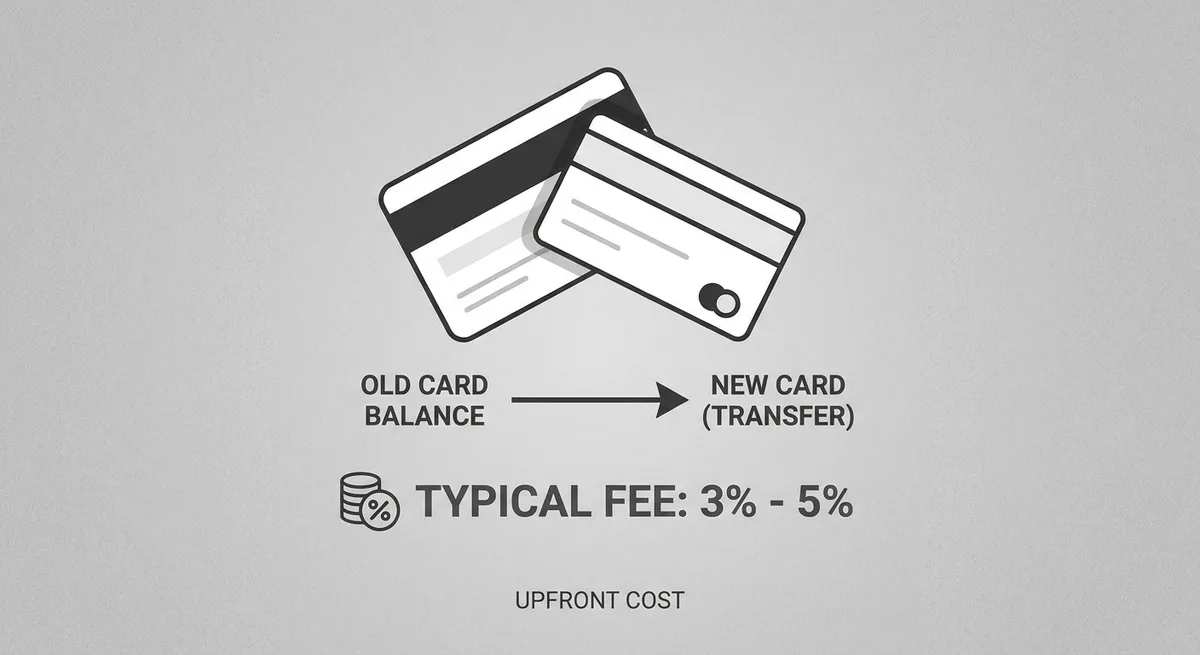
For many, the allure of a balance transfer credit card is undeniable. Imagine consolidating high-interest credit card debt onto a new card with a 0% introductory Annual Percentage Rate (APR) for a year or even longer. It sounds like a financial magic trick, offering a much-needed reprieve from accumulating interest and a clear path to debt freedom.
While balance transfers can indeed be a powerful tool for managing and reducing debt, it's crucial to understand that this financial maneuver isn't entirely "free." Like most financial products, balance transfers come with their own set of costs and considerations. As a general professional dedicated to helping you navigate the complexities of personal finance, Lendellect is here to demystify the various fees you might encounter. Understanding these charges upfront is key to determining if a balance transfer is the right, cost-effective solution for your financial situation.
This article will guide you through the typical balance transfer fees, explain how they work, and highlight other potential costs that could impact your savings. Our goal is to equip you with the knowledge to make informed decisions and truly capitalize on the benefits a balance transfer can offer.
Understanding the Core: The Balance Transfer Fee
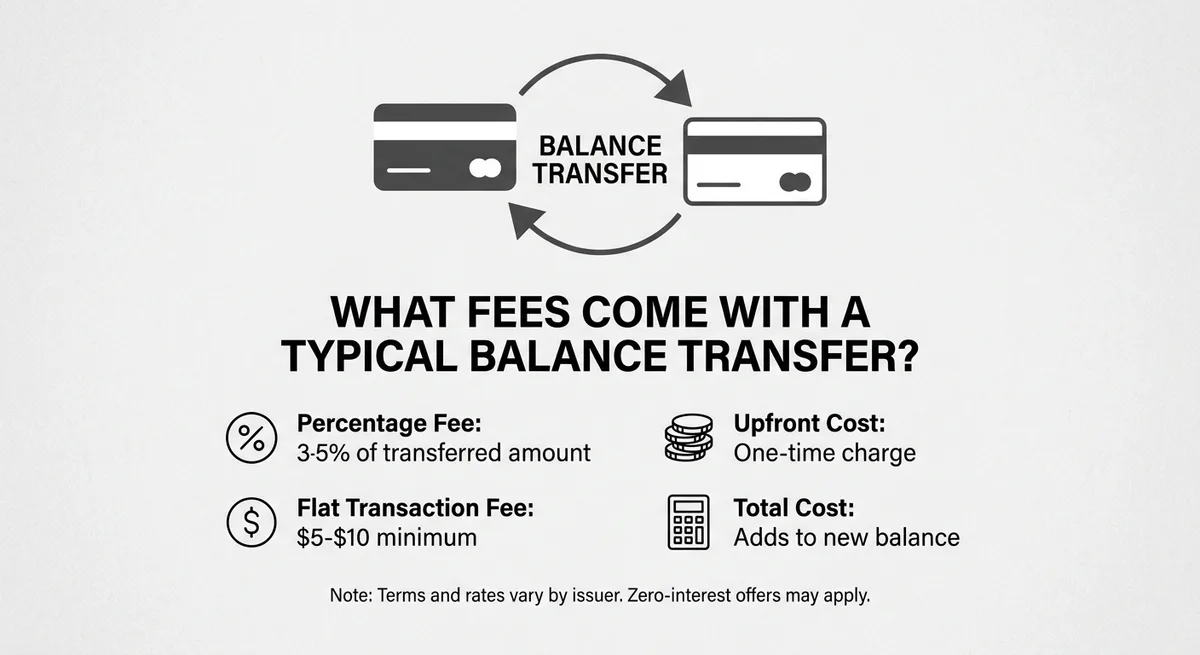
The most common and often most significant cost associated with a balance transfer is the balance transfer fee itself. This is typically a one-time charge levied by the new credit card issuer for facilitating the transfer of your debt from another card. Think of it as a transaction fee for the convenience of moving your balance.
What is it and how is it calculated?
- A balance transfer fee is almost always a percentage of the amount you transfer. This percentage can vary significantly between different card offers and issuers.
- The typical balance transfer fee ranges from 3% to 5% of the transferred amount. So, if you transfer $5,000 with a 3% fee, you would pay $150. If the fee is 5%, you'd pay $250.
- It's important to note that many cards also impose a minimum fee, such as $5 or $10, in case the calculated percentage is very low for a small transfer amount. Conversely, some cards might have a maximum fee cap, though this is less common.
When is this fee charged?
- This is often an upfront cost. The fee is typically added to your new credit card balance immediately after the transfer is completed. For instance, if you transfer $5,000 with a 3% fee, your new balance won't be $5,000; it will be $5,150.
- Crucially, this means the balance transfer fee itself is also subject to the introductory 0% APR period, provided you make all your payments on time. However, it does increase the total amount you need to pay off during that promotional window.
Are there credit cards without a balance transfer fee?
- Yes, some credit card issuers occasionally offer cards with no balance transfer transaction fee. These "no-fee" balance transfer cards can be incredibly appealing, as they eliminate that initial upfront cost.
- However, these offers are often less common or may come with other trade-offs. For example, they might have shorter introductory 0% APR periods compared to cards that charge a fee, or they might require a higher credit score for approval. Always weigh the absence of a fee against the length of the promotional period and the standard APR that kicks in afterward.
Understanding the balance transfer fee is the first step in calculating the true balance transfer cost. It's an essential part of your financial planning when considering this debt management strategy.
Beyond the Transfer Fee: Other Potential Costs
While the balance transfer fee is the most prominent charge, it's not the only financial consideration. Several other types of credit card balance transfer fees and charges can affect the overall cost and effectiveness of your balance transfer strategy. Being aware of these helps you avoid unwelcome surprises.
Annual Fees
An annual fee is a yearly charge for simply having a credit card. While many credit cards, especially those designed for balance transfers, come with no annual fee, some premium or rewards cards might carry one. If the balance transfer card you choose has an annual fee, you'll need to factor this into your overall cost. For example, if you get a card with a $95 annual fee, that's an additional cost each year you hold the card, regardless of your balance or interest rate. If your goal is to save money, an annual fee could chip away at your savings, especially if you plan to keep the card beyond the introductory period.
Penalty Fees
Penalty fees are charges incurred when you fail to adhere to the credit card agreement's terms. These can be particularly detrimental to a balance transfer strategy:
- Late Payment Fees: Missing a payment due date on your new balance transfer card can result in a late payment fee, which can be up to $30 for a first offense and higher for subsequent ones.
- Returned Payment Fees: If a payment you make is returned (e.g., due to insufficient funds in your bank account), you'll likely incur a returned payment fee.
- Impact on Introductory APR: A critical consequence of incurring penalty fees, particularly late payments, is that many issuers will revoke your promotional 0% APR. This means your remaining balance will immediately start accruing interest at the card's standard variable APR, which is typically much higher, negating the primary benefit of the balance transfer.
Cash Advance Fees
It's important to distinguish between a balance transfer and a cash advance. A balance transfer moves debt from one credit card to another. A cash advance involves borrowing cash directly from your credit card. While some cards allow you to use a balance transfer for other types of debt (like personal loans), they are generally not designed for withdrawing cash. If you were to mistakenly use your balance transfer card for a cash advance, you would face:
- A separate, usually higher, cash advance fee (e.g., 3-5% of the amount or a minimum of $10).
- Interest that typically starts accruing immediately, without a grace period, and often at a higher APR than for purchases or balance transfers.
Always ensure you understand the difference and avoid using your balance transfer card for cash advances.
Foreign Transaction Fees
While less common for a pure debt consolidation strategy, it's worth a brief mention. If you use your balance transfer card for new purchases while traveling internationally, or if you transfer a balance from a foreign-issued card, you might incur foreign transaction fees. These are typically 1-3% of the transaction amount. For most balance transfer users, this isn't a primary concern, but it's good to be aware of if you plan on using the card for international transactions.
Interest Charges After the Promotional Period
This is arguably the most significant "hidden cost" if you don't manage your balance transfer effectively. The 0% introductory APR is temporary. Once that promotional period expires (which could be anywhere from 6 to 21 months), any remaining balance will be subject to the card's standard variable APR. This post-promotional APR is often high, sometimes even higher than the interest rate on the original debt you transferred.
- The APR Jump: If you don't pay off your entire transferred balance before the introductory period ends, you will start accruing interest on the remaining amount at the much higher standard rate.
- Lost Savings: This can quickly erode any savings you achieved during the 0% period, potentially leaving you in a worse financial position than before the transfer.
Understanding these potential costs is crucial for a successful balance transfer strategy. It's not just about the initial balance transfer upfront cost; it's about managing the card responsibly throughout its lifecycle.
Strategies for Minimizing Balance Transfer Costs
A balance transfer is a strategic financial tool, and like any strategy, its success hinges on careful planning and execution. Here’s how you can minimize the associated costs and maximize your savings:
- Shop Around and Compare Offers: Don't jump at the first offer you see. Research different credit card issuers and compare their balance transfer terms. Look for the best combination of:
- The lowest balance transfer percentage fee (ideally 0%, but if not, 3% is often considered good).
- The longest 0% introductory APR period.
- A reasonable standard variable APR that will apply after the intro period, just in case you can't pay it all off.
- No annual fees.
A little comparison shopping can save you hundreds, if not thousands, of dollars.
- Read the Fine Print Thoroughly: Before applying, meticulously read the terms and conditions. Pay close attention to:
- The exact balance transfer transaction fee.
- The length of the promotional period for balance transfers.
- The standard APR that kicks in after the introductory period.
- Any specific conditions that could revoke your 0% APR (e.g., late payments).
- The window during which balance transfers must be made to qualify for the promotional APR (often within the first 60-90 days of account opening).
This attention to detail will help you avoid unexpected balance transfer charges.
- Prioritize Paying Off the Balance Before the Intro APR Ends: This is the golden rule of balance transfers. Create a strict repayment plan that ensures you pay off the entire transferred balance, including the initial balance transfer upfront cost, before the 0% APR period expires. Divide your total balance by the number of months in your promotional period to determine your minimum monthly payment goal.
- Avoid Making New Purchases with the Balance Transfer Card: While it might be tempting to use your new card for everyday spending, resist the urge. Most balance transfer cards apply payments to the balance with the lowest APR first. This usually means your payments will go towards the 0% APR balance transfer before any new purchases, which might be accruing interest at a higher purchase APR from day one (as there's often no grace period on purchases when you're carrying a balance transfer). Keep your balance transfer card solely for debt repayment.
- Make All Payments On Time: Timeliness is paramount. Late payments can result in penalty fees and, more critically, the forfeiture of your valuable 0% introductory APR. Set up automatic payments or calendar reminders to ensure you never miss a due date.
- Consider No-Fee Options Carefully: If you find a card with no balance transfer fee, evaluate it thoroughly. Does it offer a sufficiently long 0% APR period to meet your repayment goals? Sometimes a slightly higher fee with a much longer intro period can still be more beneficial if you need more time to pay off a large debt.
By diligently following these strategies, you can significantly reduce the overall balance transfer cost and successfully leverage this tool to achieve your debt reduction goals.
Conclusion
Balance transfers represent a powerful opportunity to escape the cycle of high-interest debt, offering a temporary reprieve that can accelerate your path to financial freedom. However, it's clear that this tool is not without its nuances and associated costs. From the ubiquitous balance transfer fee to potential annual fees, penalty charges, and the ultimate expiration of the introductory APR, understanding every aspect is paramount.
The key to a successful balance transfer lies in informed decision-making and disciplined execution. By carefully comparing offers, scrutinizing the fine print, and committing to a rigorous repayment plan, you can minimize the typical balance transfer fees and truly harness the savings potential. Don't let the appeal of 0% APR overshadow the importance of understanding the full financial picture. With Lendellect, we believe that clarity and knowledge are your strongest assets in navigating your financial journey. Make an educated choice, plan meticulously, and use your balance transfer as a springboard to a healthier financial future.