
How Does Debt Settlement Affect Your Credit Score?
Listen to this article
Play the narrated version or enjoy the podcast conversation.
How Does Debt Settlement Affect Your Credit Score?
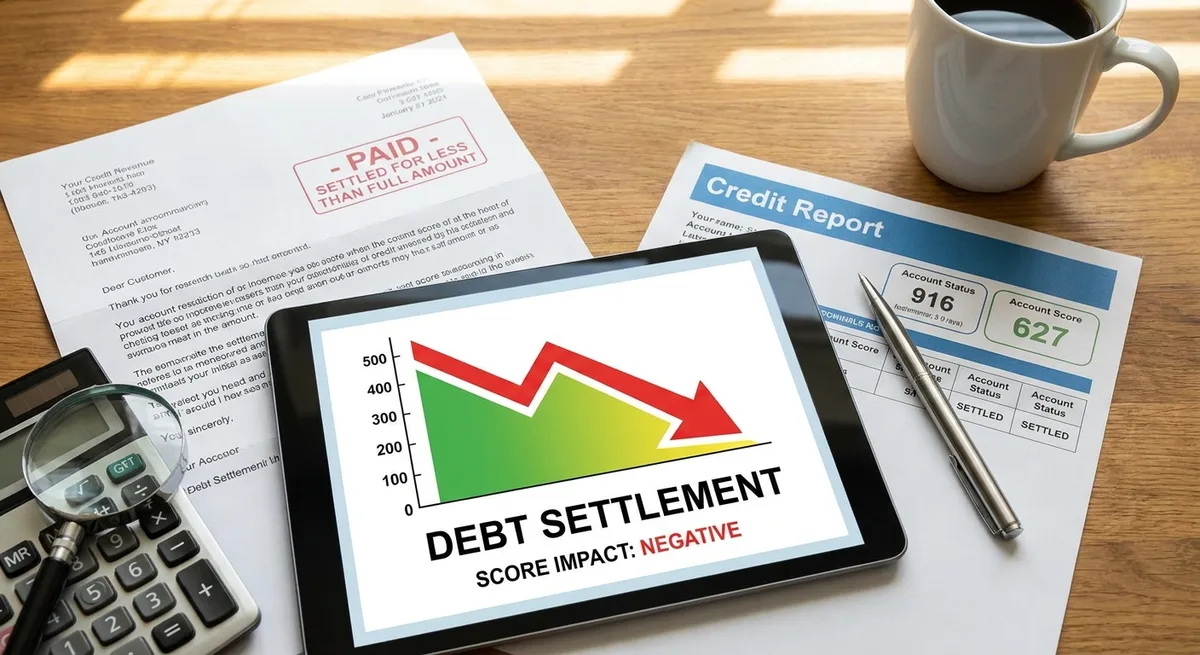
Facing overwhelming debt can be incredibly stressful, and finding a path to financial relief is often a top priority. Debt settlement is one option many individuals explore, offering the promise of resolving debt for less than the full amount owed. While it can provide a much-needed lifeline, it's crucial to understand the significant impact debt settlement can have on your credit score. As your trusted financial knowledge partner, Lendellect is here to demystify this complex process and help you make informed decisions.
What is Debt Settlement?
Debt settlement involves negotiating with your creditors (or having a debt settlement company do so on your behalf) to pay a reduced sum to satisfy an outstanding debt. This often occurs when a debt has become significantly delinquent, and the creditor may be willing to accept less to avoid a total loss or the costs associated with collection lawsuits. Typically, the agreed-upon amount is paid in a lump sum or a series of payments over a short period.
Immediate Impact on Your Credit Score
The first thing to understand is that debt settlement will almost certainly have a negative and immediate impact on your credit score. This is because, by its nature, debt settlement usually comes after a period of missed or late payments, which are already damaging to your credit.
Credit Report Markings
- Late Payments: Before settlement, you'll likely accrue a history of late or missed payments, each reported to credit bureaus and reducing your score.
- Charge-Off: Creditors often "charge off" an account after 120-180 days of non-payment. A charge-off signifies that the creditor considers the debt uncollectible and is a severe negative mark on your report.
- "Settled for Less Than the Full Amount": Once settled, your credit report will reflect that the account was "settled," "paid less than agreed," or "settled for less than the full balance." This distinct notation clearly indicates to future lenders that you did not fulfill your original loan agreement.
Score Drop
The combination of late payments, potential charge-offs, and the "settled" notation leads to a significant debt settlement credit score drop. The exact amount varies based on your credit history before settlement, but it can be substantial, especially if your score was good initially. This is the direct debt settlement credit score impact that most people fear.
Long-Term Effects and Recovery
While the immediate impact is severe, understanding the long-term implications and how to recover is essential for rebuilding your financial health.
Time on Your Credit Report
A settled account, including the charge-off or "settled for less" notation, will typically remain on your credit report for seven years from the original date of delinquency. This is one of the "long term credit effects debt settlement" that future lenders will see when reviewing your creditworthiness.
Strategies for Credit Score Recovery
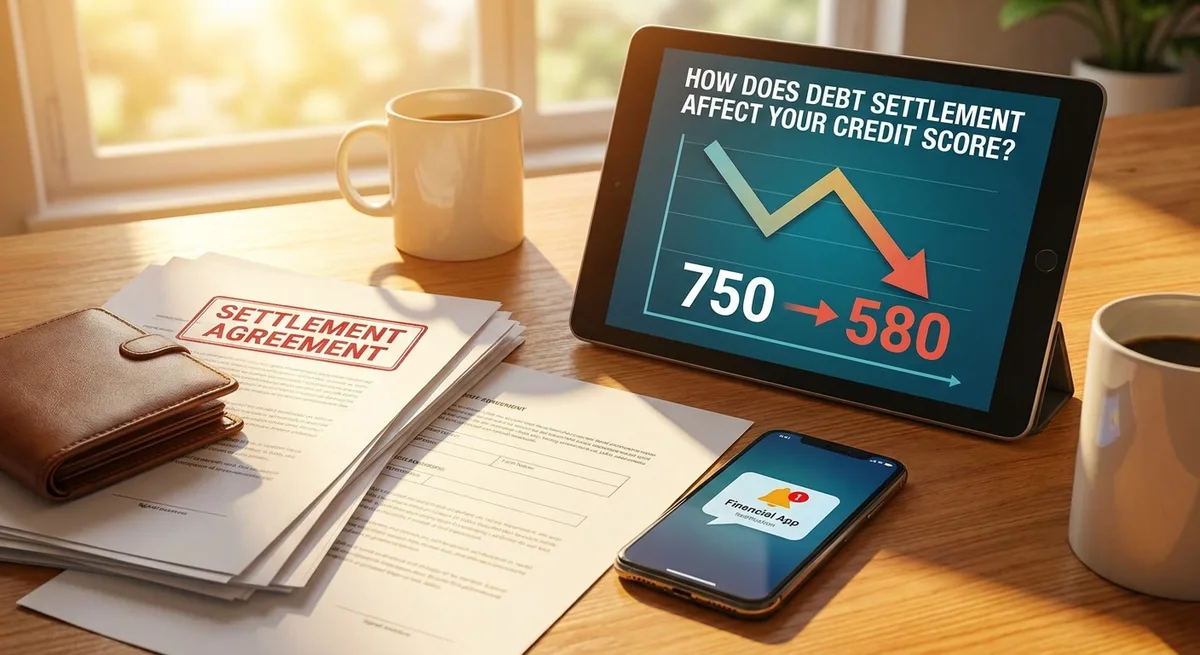
Even with a debt settlement on your report, you can begin to rebuild your credit score. This takes time and consistent effort, but it is entirely possible. Here's how to improve your credit score after debt settlement:
- Pay All Other Bills on Time: This is paramount. Consistent on-time payments on all remaining accounts (utilities, loans, credit cards) will build a positive payment history, which is the most significant factor in your credit score.
- Keep Credit Utilization Low: If you have active credit cards, try to keep your balances well below 30% of your credit limit (ideally under 10%). High utilization can suppress your score.
- Monitor Your Credit Report: Regularly check your credit reports from all three major bureaus (Experian, Equifax, TransUnion) for accuracy. Dispute any errors promptly.
- Consider a Secured Credit Card or Credit-Builder Loan: These tools can help you establish a new, positive credit history. With a secured card, you provide a deposit that acts as your credit limit. A credit-builder loan involves making regular payments into a savings account, which is then released to you.
- Be Patient: Credit repair is a marathon, not a sprint. Consistency and time are your best allies in debt settlement credit score recovery time.
Debt Settlement vs. Other Options
It's important to view debt settlement in the context of other debt relief options. It generally has a more severe impact on your credit than a debt management plan (where you repay the full amount, often with reduced interest) but is typically less damaging than bankruptcy. Each option has its own pros and cons regarding credit impact, cost, and debt relief effectiveness.
Conclusion
Debt settlement can offer a powerful solution for those struggling with unmanageable debt, providing a clear path to becoming debt-free. However, it's vital to enter this process with a full understanding of the debt settlement negative credit impact. While it provides immediate relief, it comes with a significant and lasting mark on your credit report. By being proactive in rebuilding your credit after settlement, you can mitigate the long-term damage and pave the way for a healthier financial future.
Want more insights on managing your finances and improving your credit? Subscribe to Lendellect for expert advice and actionable strategies!
References & Sources
Debt Settlement and Your Credit