
How Do You Spot a Predatory Debt Settlement Company?
Listen to this article
Play the narrated version or enjoy the podcast conversation.
How Do You Spot a Predatory Debt Settlement Company?

Falling into debt can be an overwhelming and stressful experience. When late payment notices start piling up, and creditors call, the temptation to find a quick solution can be incredibly strong. This vulnerability often makes individuals a target for predatory debt settlement companies that promise an easy way out, but often leave you in a worse financial state. Understanding the difference between a legitimate debt relief service and a scam is crucial for protecting your financial future.
What is Debt Settlement?
Debt settlement is a process where a company negotiates with your creditors on your behalf to reduce the total amount of debt you owe. Typically, you stop making payments directly to your creditors and instead make payments into a special savings account managed by the settlement company. Once enough funds accumulate, the company attempts to negotiate a lump-sum settlement with your creditors for less than the full amount. While it can offer a path to relief, it also carries significant risks, including damage to your credit score, potential lawsuits from creditors, and tax implications on settled debt.
The Lure of Quick Fixes and How Scammers Operate
Predatory companies often prey on your desperation, offering enticing promises that sound too good to be true. They understand the emotional toll of debt and exploit it with high-pressure sales tactics and misleading information. Their goal isn't to genuinely help you, but to extract fees from your already strained finances.
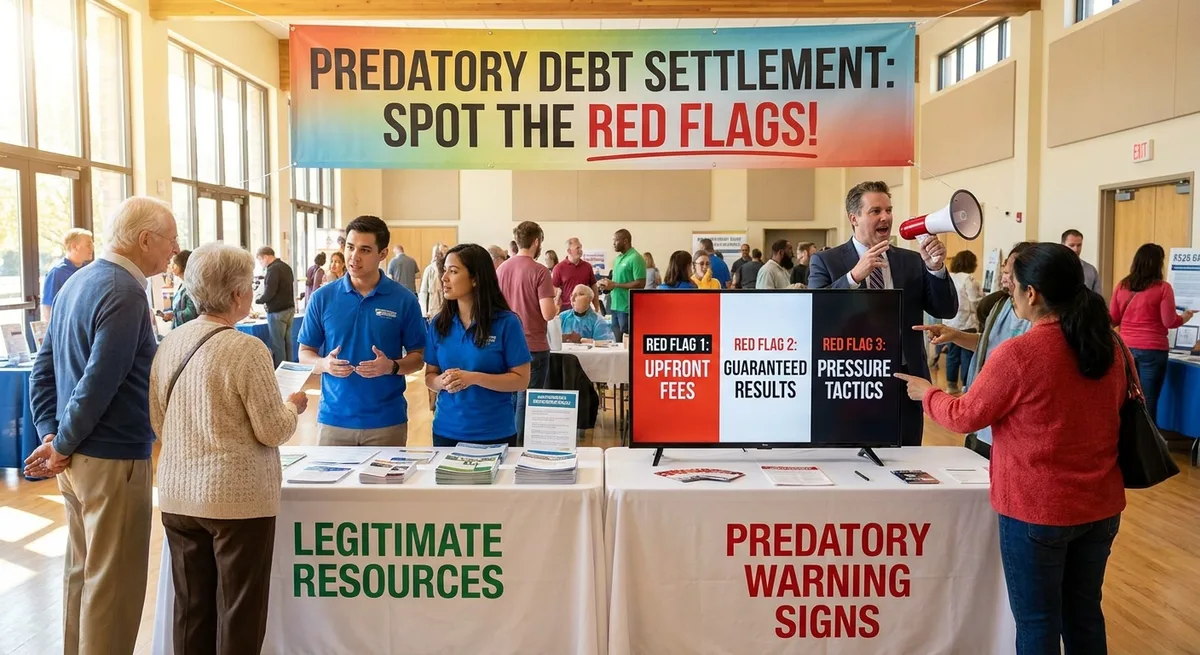
Key Warning Signs of a Predatory Debt Settlement Company
To safeguard yourself, be vigilant for these red flags:
1. Upfront Fees
Legitimate debt settlement companies typically do not charge you significant fees before they have actually settled a debt. Federal law (the Telemarketing Sales Rule) generally prohibits companies that sell debt relief services over the phone from charging a fee before they've settled or reduced your debt. If a company demands a large upfront payment, walk away.
2. Guarantees of Success or Specific Results
No company can guarantee that your creditors will agree to settle your debts, let alone guarantee a specific percentage reduction. Creditors are not obligated to negotiate. Be extremely wary of any company that offers "guaranteed" results or claims they can settle your debt for an unrealistic amount, like "pennies on the dollar," without knowing your specific financial situation or creditor policies.
3. Demands to Stop Paying Creditors Immediately
Predatory companies often instruct you to stop paying your creditors directly and instead pay them. This can be a dangerous move, as it can lead to:
- Late fees and penalties piling up.
- Significant damage to your credit score.
- Collection calls intensifying.
- Creditors pursuing legal action or wage garnishment.
A legitimate company will explain these risks transparently and work with you to understand the full implications.
4. High-Pressure Sales Tactics
If a company uses aggressive sales tactics, pushes you to sign up immediately, or refuses to give you time to consider their offer and read contracts thoroughly, it's a major warning sign. Legitimate businesses understand that financial decisions require careful thought.
5. Lack of Transparency
Be suspicious if a company is vague about their fees, the settlement process, or how long it will take. They should be able to clearly explain:
- All costs involved, including their fees and any potential charges from a dedicated savings account provider.
- How their service works step-by-step.
- The potential negative impacts on your credit.
- Any tax implications of settled debt.
6. Asking You to Pay Them Instead of Your Creditors
While legitimate debt settlement programs involve you paying into a special purpose savings account, you should retain control and visibility over this account. If a company asks you to make payments directly to them, rather than an FDIC-insured escrow account in your name, it's a serious red flag.
7. Unrealistic Promises
Promises that seem too good to be true usually are. Be skeptical of claims that they can eliminate all your debt quickly, without any negative consequences, or that they have special relationships with creditors that will ensure an unbeatable deal. Every situation is unique, and results vary widely.
What to Look for in a Legitimate Debt Settlement Company
When considering debt settlement, look for companies that:
- Are transparent about all fees, risks, and the process.
- Are licensed and accredited in your state, if required.
- Explain the potential negative impacts, such as credit score damage and tax implications.
- Encourage you to contact your creditors directly before signing up.
- Do not charge upfront fees before settling a debt.
Navigating debt can be challenging, but choosing the right path for relief is essential. By being informed and recognizing these warning signs, you can protect yourself from predatory practices and make a sound decision for your financial well-being.
read more
References & Sources
Debt Relief Scams - Federal Trade Commission (FTC)
What is debt settlement and how does it work? - Consumer Financial Protection Bureau (CFPB)